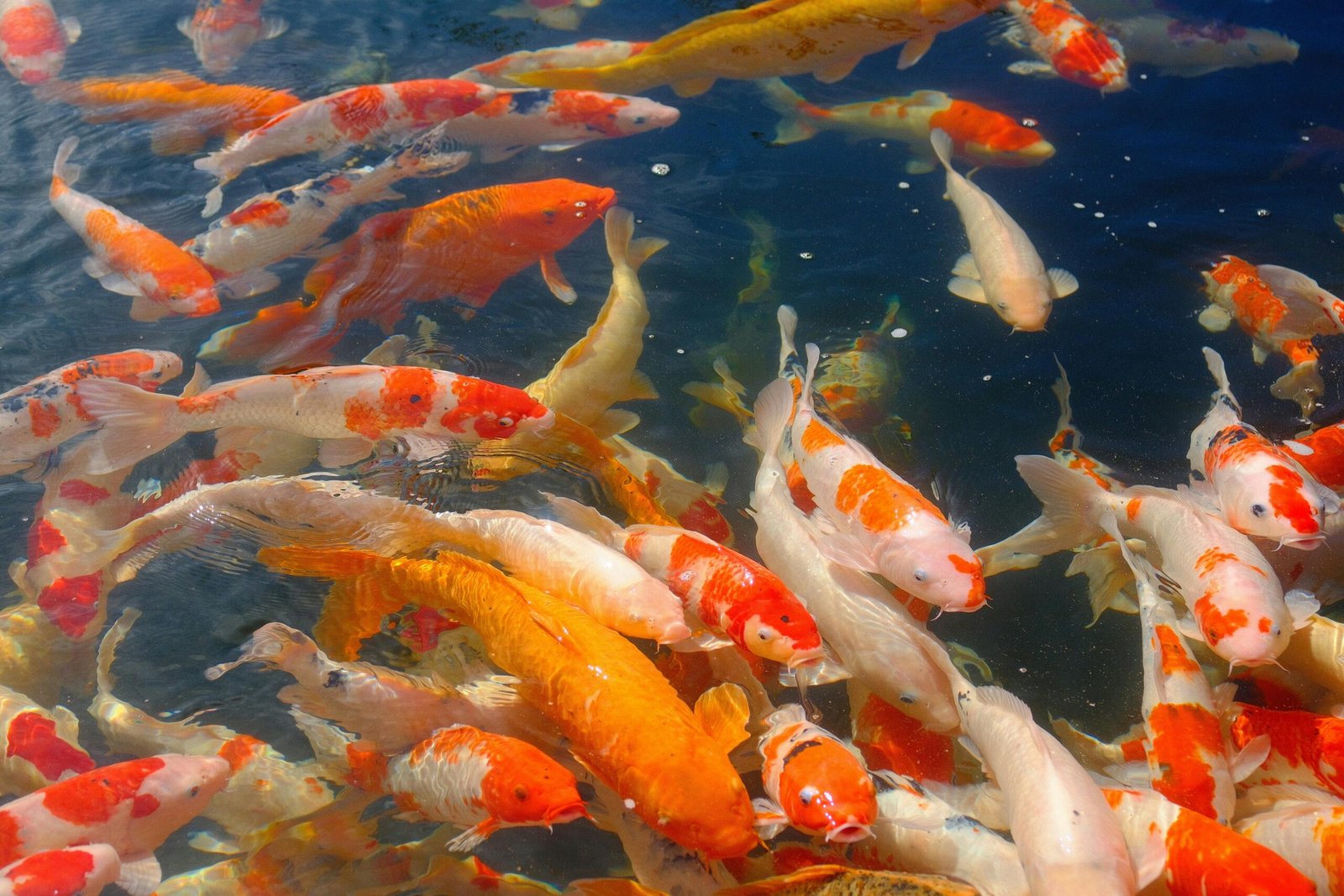
Koi fish are more than just beautiful creatures gliding gracefully through water; they are living symbols of peace, perseverance, and prosperity. Whether you find them in a quiet Japanese garden or a backyard pond, koi fish capture the essence of calmness and balance.
The first time I saw koi was in a temple pond in Kyoto. Their bright colors—orange, white, and gold—moved gently under the surface, and I remember feeling an unexpected sense of peace. That experience sparked a lifelong fascination with these remarkable fish.
In this article, we’ll dive deep into everything about koi fish—their history, symbolism, types, care, and even what they can teach us about life.
The History of Koi Fish
The story of koi fish begins in ancient China, where they were originally bred from the common carp. Later, in Japan, koi breeding evolved into an art form. By the 19th century, Japanese farmers began selectively breeding carp for vibrant colors and unique patterns, giving birth to what we now call “Nishikigoi” — meaning “brocaded carp.”
Over time, koi became a symbol of good fortune and perseverance in Japanese culture. Today, koi ponds are admired across the world for their beauty and tranquility, often representing harmony with nature.
The Symbolism and Meaning Behind Koi Fish
Koi fish carry deep symbolism in both Eastern and Western cultures. In Japan, they represent courage, ambition, and perseverance. A popular legend tells of koi swimming upstream against strong currents, with one koi eventually transforming into a dragon after reaching the top of a waterfall. This story symbolizes determination and success through hard work.
In Chinese culture, koi are often associated with wealth and abundance. A pair of koi also symbolizes love and harmony in relationships, making them common in Feng Shui design.
Every color of koi fish has its own meaning:
-
Gold koi – Wealth and prosperity
-
Red koi – Love and bravery
-
Black koi – Overcoming adversity
-
Blue koi – Serenity and peace
-
White koi – Purity and balance
For me, koi represent patience. Watching them swim slowly and calmly reminds me that progress doesn’t have to be rushed—it just has to be steady.
Types of Koi Fish and Their Color Meanings
There are dozens of varieties of koi fish, each known for unique patterns and color combinations. Some of the most famous types include:
-
Kohaku – White body with red markings, symbolizing success in career or love.
-
Sanke – White body with red and black spots, representing balance in life.
-
Showa – Black koi with red and white patterns, symbolizing life changes and strength.
-
Asagi – Blue-gray body with red fins, representing calmness and stability.
-
Bekko – White, yellow, or red koi with black spots, a sign of simplicity and peace.
-
Ogon – Solid metallic gold koi, symbolizing wealth and luck.
When I started keeping koi, my first was a small Kohaku named “Yuki.” Watching her grow and change over the years reminded me how life evolves with patience and care.
How to Care for Koi Fish
Caring for koi fish is both rewarding and therapeutic. They’re hardy creatures, but they do need proper attention.
Water Quality
Koi thrive in clean, well-oxygenated water. Use a filter system and check ammonia and pH levels regularly. Koi ponds should ideally be at least 3 feet deep to protect them from predators and temperature changes.
Feeding
Feed koi high-quality pellets or flakes, and occasionally supplement their diet with fruits or vegetables. Overfeeding can pollute the water, so moderation is key.
Temperature and Health
Koi are cold-water fish but prefer temperatures between 59°F and 77°F (15°C to 25°C). In winter, they become less active, eating very little. Keep an eye out for parasites or fin rot, which can occur if water conditions are poor.
Caring for koi can feel like meditation. Every morning, when I feed mine, I find myself slowing down and appreciating the small joys of daily routine.
Creating the Perfect Koi Pond
Building a koi pond is about blending beauty with balance.
-
Size: At least 1,000 gallons for several koi.
-
Depth: Minimum 3 feet.
-
Filtration: Essential for clean water.
-
Plants: Water lilies and lotuses provide shade and oxygen.
-
Design: Smooth edges to protect koi from injury.
Adding rocks, waterfalls, and plants creates a natural environment that feels peaceful and inviting. The sound of trickling water paired with colorful koi gliding beneath the surface creates a space that feels alive yet calm.
Breeding Koi Fish: A Guide for Beginners
Breeding koi requires patience and understanding of genetics. Select healthy, mature koi—usually two to three years old. Breeding typically happens in late spring when the water warms. After spawning, eggs hatch in about five days.
Young koi (called fry) must be kept separate until they are large enough to avoid being eaten by adults. Watching tiny fry grow into vibrant adults is one of the most rewarding experiences for a koi keeper.
Koi Fish in Art, Culture, and Feng Shui
Throughout history, koi fish have appeared in paintings, tattoos, sculptures, and literature. In Feng Shui, koi symbolize prosperity and good luck. Many people place images of koi near the entrance of their homes or offices to attract positive energy.
In art, koi often swim upstream, representing strength and determination. In tattoos, they’re seen as symbols of courage and transformation. Their graceful beauty has inspired countless artists around the world.
Myths, Facts, and Misunderstandings
Myth: Koi fish stop growing when their pond is small.
Fact: Koi growth depends on genetics and nutrition, though space plays a role in their comfort.
Myth: Koi and goldfish are the same.
Fact: They share ancestry, but koi are larger, more colorful, and can live much longer—up to 40 years or more.
Myth: Koi require constant attention.
Fact: They’re relatively easy to maintain with the right pond setup.
Personal Reflections: What Koi Teach About Life
Watching koi over the years has taught me patience, mindfulness, and resilience. These fish don’t rush; they move gracefully, reacting calmly to their surroundings. In many ways, koi are reminders to live gently and face life’s currents with quiet strength.
There’s a deep peace in simply sitting by the pond, watching them swim in slow circles. It’s a kind of living meditation—a reminder that harmony comes from balance, not speed.
Conclusion
Koi fish are more than ornamental creatures—they are living art and symbols of wisdom, luck, and endurance. From their ancient origins to modern ponds, they continue to inspire people worldwide. Whether you admire them for their beauty or the philosophy they represent, koi fish teach us one timeless truth: with patience and perseverance, even the smallest stream can lead to greatness.
FAQ
1. How long do koi fish live?
Koi can live between 25 and 40 years, with some even reaching 60 years under proper care.
2. What do koi fish symbolize?
They symbolize strength, perseverance, love, and prosperity.
3. Can koi fish live in tanks?
Yes, but ponds are better for long-term health since koi need plenty of space.
4. Do koi fish recognize their owners?
Yes, koi can learn to recognize people who feed them and may even eat from your hand.
5. Are koi fish expensive?
Prices vary widely—from a few dollars to thousands, depending on size, breed, and color.