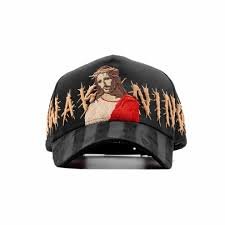
Fashion is not only about clothing; it is a language of identity, a visual expression of confidence and culture. Among the many elements that have defined personal style through the ages, the hat remains one of the most symbolic. And within that universe of headwear, the dandy hat stands apart as a representation of grace, refinement, and individuality. Dandy hats are not simply accessories—they are statements. From the polished streets of Victorian London to the bustling avenues of modern cities, they have carried with them stories of class, rebellion, and art. They have adorned poets, thinkers, artists, and modern icons who refuse to blend into the crowd. To wear a dandy hat is to embrace a sense of poise and purpose—to honor tradition while crafting one’s own unique identity. In this exploration of dandy hats, we uncover the roots, symbolism, evolution, and enduring power of an accessory that continues to crown those who dare to live elegantly.
1. The Origins of Dandyism and the Birth of the Dandy Hat
To understand the significance of the dandy hat, one must first look at the cultural movement that birthed it—dandyism. Emerging in late 18th- and early 19th-century England, dandyism was more than a fashion statement; it was a philosophy of life. Figures such as Beau Brummell, often hailed as the father of modern elegance, redefined masculinity through meticulous self-presentation. The dandy rejected extravagance for refined simplicity, preferring tailored suits, polished shoes, and, of course, a perfectly chosen hat. The hat became a signature symbol of self-discipline, taste, and social awareness. Top hats and bowler hats adorned the heads of dandies who viewed dress as a form of personal art. In a time when clothing reflected social status and moral character, the dandy hat spoke of intellect, sophistication, and quiet rebellion against mediocrity. It was not merely about vanity but about the assertion that life itself could be lived beautifully, deliberately, and with style.
2. The Art of Craftsmanship: Creating a Dandy Hat
A true dandy hat is not mass-produced; it is crafted. The making of such a hat is an intricate process that combines precision, artistry, and tradition. Every curve, stitch, and material choice carries meaning. The process begins with selecting the finest materials—beaver felt, wool, straw, or silk—each lending a different texture and tone to the hat’s character. Then comes the shaping, an art that demands patience and skill, as the hatmaker molds the material with steam and pressure to achieve the perfect silhouette. The lining, ribbon, and brim are chosen not for excess but for harmony. In the world of dandyism, restraint is as important as luxury. A well-crafted dandy hat feels like an extension of the wearer’s personality. It does not scream for attention; it commands respect through subtle elegance. The craftsmanship behind such a hat mirrors the dandy’s philosophy itself—a devotion to refinement, patience, and self-expression through quality rather than quantity.
3. The Symbolism of the Hat: Beyond Fashion
Throughout history, the hat has symbolized more than fashion—it has represented identity, authority, and intellect. In the dandy tradition, this symbolism deepens. A dandy hat reflects not just the wearer’s taste but their worldview. It is an emblem of confidence and control, an outer manifestation of inner discipline. When a dandy places a hat upon his head, it is not a casual act—it is a declaration of self-awareness and pride. The tilt of the brim, the choice of color, even the material communicates subtle messages about one’s temperament and social philosophy. A well-chosen hat becomes a metaphor for thought—a covering that protects and expresses the mind within. In literature and art, the hat often marks transformation or awareness: think of Sherlock Holmes’ deerstalker or Chaplin’s bowler. Likewise, the dandy hat carries with it a sense of narrative—it tells a story about who the wearer is and who they aspire to be.
4. The Evolution of Dandy Hats Through Time
As society evolved, so too did the forms of the dandy hat. In the early 1800s, the top hat reigned supreme, its tall and sleek design symbolizing authority and intellect. By the mid-19th century, the bowler hat brought practicality to urban life without compromising style. The fedora, emerging in the late 19th and early 20th centuries, carried the spirit of the dandy into a more modern and relaxed era. Each generation reinterpreted the hat according to its own aesthetic and values, but the essence of dandyism—elegance with intellect—remained constant. Even as casual dress gained popularity in the 20th century, the dandy hat survived in pockets of resistance: among artists, musicians, and cultural icons who used fashion as a form of rebellion against conformity. From Oscar Wilde to modern stylists like Pharrell Williams, the lineage of the dandy hat continues—a blend of heritage and innovation, timeless and ever-evolving.
5. Dandy Hats in Literature, Art, and Cinema
The image of the dandy hat has long captured the imagination of artists and writers. In literature, it often symbolizes wit, individuality, and sophistication. Characters like Dorian Gray, Jay Gatsby, and Sherlock Holmes all use fashion—and particularly hats—to express their personalities and inner contradictions. In visual art, portraits from the 19th century often depict men and women wearing refined hats as a sign of grace and status. Moving into cinema, classic film stars such as Fred Astaire, Humphrey Bogart, and Cary Grant made hats a defining feature of their style, reinforcing the connection between headwear and charisma. In modern photography and fashion editorials, the dandy hat continues to be used as a symbol of timeless class and creative individuality. Art, in all its forms, mirrors the hat’s transformation—from social marker to artistic statement.
6. The Modern Dandy: Redefining Elegance
In the 21st century, the dandy hat has found new life among those who reject fast fashion in favor of authenticity. Today’s dandies—men and women alike—view style as a reflection of thoughtfulness and creativity rather than a mere trend. The hat has reemerged as a key element of sustainable and intentional fashion. Modern dandies are not bound by gender norms or outdated formalities; instead, they interpret elegance as self-expression and confidence. Wearing a dandy hat in today’s world is an act of individuality—a reminder that dressing well is an art, not an obligation. It signals respect for oneself and for the craft behind the garment. Whether paired with a tailored suit or an avant-garde outfit, the dandy hat bridges tradition and modernity, symbolizing the timeless desire to live beautifully in every era.
7. Cultural Influence and Global Adaptations
While the dandy hat began in Western fashion, its influence has traveled across cultures, blending with local traditions and aesthetics. In African fashion, for example, modern dandies known as sapeurs have transformed European tailoring and hats into symbols of cultural pride and creativity. In Japan, fashion enthusiasts reinterpret the dandy hat with minimalist precision, reflecting harmony and balance. Across Europe and America, vintage-inspired movements have revived interest in handmade hats, valuing authenticity over mass production. Each adaptation of the dandy hat carries the spirit of elegance but infused with new meaning. The global journey of the dandy hat demonstrates that true style knows no borders—it is a universal language of confidence, artistry, and dignity.
8. The Psychology of Wearing a Hat
To wear a hat, particularly a dandy hat, changes how a person feels and how they are perceived. Psychologists have long noted the powerful relationship between clothing and confidence—a phenomenon known as enclothed cognition. A well-chosen hat can alter posture, speech, and even mindset. The dandy hat, with its structured form and historical weight, carries an aura of authority and refinement. It subtly encourages mindfulness in movement and clarity in expression. Those who wear hats often report feeling more intentional, more aware of their presence in the world. In this sense, the dandy hat functions almost as armor—a graceful shield that reinforces self-respect and composure. It becomes a reminder that elegance is not about impressing others but about aligning appearance with inner purpose.
9. Sustainability and the Revival of Craftsmanship
In an era of mass production, the philosophy behind dandy hats is being rediscovered through the lens of sustainability. Consumers are turning toward slow fashion, seeking handcrafted items made with care and ethical materials. The resurgence of bespoke hatmaking represents more than nostalgia—it signifies a return to mindfulness and appreciation for artistry. Modern artisans blend traditional methods with contemporary design, ensuring that each hat tells its own story. Investing in a dandy hat means investing in longevity—an object that can be repaired, cherished, and passed down through generations. It is the antithesis of disposable culture, standing as a testament to quality and consciousness. By choosing craftsmanship over convenience, wearers of dandy hats embody the same principles of patience and refinement that defined the original dandies.
10. The Timeless Appeal of Dandy Hats
Why, after centuries, does the dandy hat continue to captivate the imagination? Perhaps it is because elegance never truly fades. Trends come and go, but style—true, intentional style—remains eternal. The dandy hat represents a yearning for dignity in an age of haste, for beauty in a world of excess. It reminds us that appearance can be art, that self-presentation can be philosophy. Whether worn at a formal gathering, a casual stroll, or a creative performance, the dandy hat adds a touch of distinction that technology and modernity cannot replicate. Its power lies not only in its form but in what it symbolizes: self-respect, creativity, and awareness. The hat endures because the ideals it represents—discipline, taste, and grace—are as relevant today as they were centuries ago.
Frequently Asked Questions (FAQ)
Q1: What defines a “dandy hat”?
A dandy hat is a refined, thoughtfully crafted piece of headwear that embodies sophistication and personal style. It prioritizes quality, craftsmanship, and timeless design over fleeting trends.
Q2: How is a dandy hat different from ordinary hats?
Unlike mass-produced hats, dandy hats are typically handcrafted with attention to detail. They reflect the wearer’s individuality, often customized for fit, form, and aesthetic harmony.
Q3: Can women wear dandy hats?
Absolutely. Modern dandyism transcends gender. Many women embrace dandy hats as symbols of empowerment, artistry, and elegant self-expression.
Q4: What are the most popular styles of dandy hats?
Top hats, bowler hats, and fedoras remain classic favorites. However, contemporary interpretations include trilbies, Panama hats, and wide-brimmed felt designs, each suited to different occasions.
Q5: How should one care for a dandy hat?
Proper storage, gentle brushing, and protection from moisture are essential. Most high-quality hats can be reshaped and restored by professional hatmakers, extending their life for decades.
Conclusion
The story of dandy hats is not merely about fashion—it is about philosophy, identity, and art. From their roots in 19th-century refinement to their presence in modern style, these hats have carried with them the essence of human creativity and discipline. They remind us that elegance is not an indulgence but an attitude—a way of honoring life through attention and care. To wear a dandy hat is to participate in a timeless dialogue between tradition and individuality, between self-expression and social awareness. It is to understand that every choice we make in how we present ourselves reflects the values we hold. In a world often driven by speed and conformity, the dandy hat stands as a quiet rebellion—an affirmation that beauty, thought, and craftsmanship still matter. More than just an accessory, it is a crown of consciousness, worn not to impress others but to remind oneself to live deliberately, stylishly, and authentically.