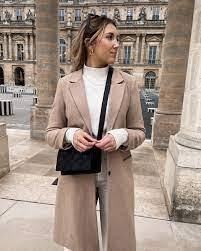
Fashion, as a living art form, has evolved through centuries of culture, innovation, and identity. Among all garments that have stood the test of time, few can rival the versatility and enduring appeal of the blazer—or, as it’s affectionately referred to in Dutch and European fashion circles, the “blazertje.” The term blazertje captures not only the garment itself but also an entire aesthetic philosophy: a symbol of effortless sophistication, smart-casual balance, and cultural fluidity. Whether worn on city streets, in professional settings, or as a statement piece in high-end fashion, the blazertje represents the perfect marriage between tradition and modernity.
In recent years, the blazertje has undergone a renaissance. Designers have reinvented it with bold cuts, sustainable fabrics, and unisex silhouettes. It has transcended its origins as a formal jacket to become a staple of global street style, adaptable to every personality and occasion. From the boardroom to the boulevard, from vintage tweeds to contemporary linen, the blazertje is no longer just clothing—it is a language of self-expression. This article explores the history, design evolution, cultural symbolism, craftsmanship, and future of the blazertje, and why it continues to captivate generations around the world.
1. The Origin and Historical Journey of the Blazertje
The roots of the modern blazertje trace back to the 19th century, when British naval officers began wearing tailored jackets distinguished by brass buttons and structured shoulders. These early blazers were symbols of discipline and prestige. The name “blazer” originated from the bright red (“blazing”) jackets worn by the rowing club of St. John’s College, Cambridge, around 1825. Over time, the blazer evolved from a sports uniform to a fashionable, semi-formal garment that bridged the gap between the casual jacket and the structured suit coat.
When this fashion trend crossed into continental Europe, it adapted to local aesthetics. In the Netherlands, Belgium, and northern France, the word “blazertje” came to denote not just the jacket itself but a smaller, often more casual, fashionable variation—one that could be worn in informal settings while still projecting refinement. Throughout the 20th century, the blazertje became an icon of post-war European elegance, symbolizing upward mobility and modern identity. Worn by students, intellectuals, and artists, it represented both conformity and rebellion, depending on how it was styled.
Today, the blazertje continues to honor its heritage while embracing innovation. From haute couture houses in Paris to sustainable brands in Amsterdam, it remains a universal wardrobe essential—proof that classic design can reinvent itself across eras and cultures.
2. The Anatomy of a Blazertje: Design, Fabric, and Fit
To truly appreciate the art of a blazertje, one must understand its anatomy. Every design element contributes to its distinct character, from the lapel shape to the fabric texture and shoulder construction. A well-made blazertje combines structure with comfort, exuding elegance without rigidity.
The fabric plays a foundational role. Traditional blazers were made from wool, flannel, or serge—durable materials that maintained their shape and offered warmth. Modern interpretations expand this palette to include cotton, linen, silk blends, and even recycled polyester for eco-conscious consumers. Each material alters the mood: wool conveys professionalism, linen evokes casual summer chic, and velvet transforms the garment into eveningwear sophistication.
The cut and fit define how a blazertje complements the wearer’s silhouette. The slim-fit, popularized in the early 2010s, accentuates clean lines, while oversized and boxy blazers dominate today’s fashion runways, reflecting a more relaxed, gender-neutral aesthetic. The tailoring around the shoulders and waist creates the garment’s visual balance—sharp enough to signify confidence, yet fluid enough to suggest modern ease.
Details such as buttons, stitching, pocket styles, and lapel widths add personality. Double-breasted blazertjes, often with gold or horn buttons, channel retro luxury, while single-breasted models offer minimalist versatility. Whether cropped or long-line, the blazertje remains a canvas for endless reinvention, where craftsmanship meets creativity.
3. The Cultural Significance of the Blazertje
The blazertje’s cultural journey reflects changing notions of identity, gender, and social status. Once a symbol of aristocracy and discipline, it gradually democratized into a garment for everyone—students, artists, entrepreneurs, and activists alike. Each decade reshaped its meaning, turning the blazertje into a mirror of the times.
In the 1960s and 1970s, the blazertje became a statement of liberation. Youth culture embraced it as a way to blend formality with rebellion—pairing tailored jackets with jeans, T-shirts, and sneakers. This subversion gave rise to a new kind of elegance: one that valued individuality over conformity. The 1980s brought back power dressing, especially for women, where structured blazertjes with padded shoulders symbolized professional ambition and gender equality.
In modern culture, the blazertje stands for adaptability. Fashion influencers and designers celebrate its unisex appeal, combining it with casual streetwear or layering it over flowing dresses. It serves as both armor and expression—a shield of confidence and a signature of taste. From global catwalks to minimalist Scandinavian boutiques, the blazertje transcends gender, geography, and season. It is, in essence, the great equalizer of style.
4. Blazertje in Contemporary Fashion Trends
Fashion in the 21st century is defined by fluidity, sustainability, and personal storytelling. Within this landscape, the blazertje has emerged as a hero piece. Runways from Milan to Tokyo showcase it in endless interpretations—oversized silhouettes, pastel hues, cropped cuts, and deconstructed forms that blur the line between formal and casual.
Contemporary designers reimagine the blazertje as a hybrid garment, combining traditional tailoring with streetwear aesthetics. Brands experiment with asymmetrical cuts, mixed fabrics, and digital prints, turning the once-formal blazer into a statement of urban cool. In Japan, minimalist designers like Yohji Yamamoto and Issey Miyake have explored sculptural versions, while in Europe, brands like Acne Studios and COS focus on architectural simplicity.
Social media has amplified this evolution. Platforms like Instagram and TikTok have given rise to global styling trends such as “the oversized blazertje look,” where wearers mix vintage blazers with sneakers, crop tops, or denim shorts. The trend embodies the modern idea of “smart casual freedom”—effortlessly blending professionalism with individuality.
The blazertje’s timelessness lies in its duality: it respects heritage while embracing change. Whether draped over shoulders for an evening look or paired with joggers for a modern twist, it continues to symbolize versatility and self-assurance.
5. Sustainability and Ethical Production
As sustainability becomes a defining value in modern fashion, the blazertje is being redefined once again—this time as a conscious choice. Ethical brands are reimagining the blazer through eco-friendly materials, slow production methods, and circular fashion principles. Instead of mass-produced polyester blends, designers are opting for organic cotton, hemp, bamboo fabrics, and recycled wool.
Moreover, tailoring houses in Europe and Asia are reintroducing craftsmanship traditions that prioritize longevity over consumption. A well-made blazertje can last for decades, evolving with the wearer rather than being discarded after a season. This mindset contrasts sharply with the disposable culture of fast fashion. It represents a return to mindful consumption, where garments hold sentimental and material value.
Technological innovations also play a role. 3D pattern-making, AI-assisted sizing, and zero-waste cutting techniques reduce textile waste and improve efficiency. Consumers, particularly younger generations, are increasingly drawn to brands that uphold transparency—where they can trace the origin of every thread.
Thus, the sustainable blazertje becomes more than fashion—it becomes a statement of ethics, responsibility, and respect for the planet.
6. The Psychological Power of Wearing a Blazertje
Beyond fabric and design, the blazertje carries psychological power. Clothing influences perception—both self-perception and how others see us. Studies in “enclothed cognition” suggest that what we wear can affect confidence, focus, and behavior. A well-tailored blazertje, for instance, evokes feelings of professionalism, composure, and capability.
For many, wearing a blazertje transforms posture and mindset. It can prepare someone for a meeting, an interview, or a public appearance. Its structured silhouette signals authority, while its comfort ensures approachability. It strikes the delicate balance between assertiveness and grace. This is why professionals and creatives alike keep a trusted blazer in their wardrobe—it is a tool for empowerment.
Moreover, the blazertje has symbolic resonance across gender lines. For women, it historically represented the right to occupy spaces of power. For men, it redefined elegance in modern terms—moving away from rigidity toward self-expression. For non-binary individuals, the blazertje embodies fluidity, merging masculine and feminine aesthetics into a single, unified form.
In essence, the blazertje is not just clothing; it is an instrument of identity construction—an external expression of internal strength.
7. Styling the Blazertje: From Classic to Avant-Garde
One reason the blazertje endures is its adaptability. It can be styled in countless ways to reflect mood, context, and creativity. Classic styling involves pairing it with tailored trousers, a crisp shirt, and loafers—a timeless business look. But the modern blazertje transcends boundaries.
For a casual ensemble, it pairs beautifully with jeans, a white T-shirt, and sneakers—creating an effortless, cosmopolitan vibe. For women, wearing it over a slip dress or with high-waisted trousers adds sophistication without rigidity. Layering—a core trend in current fashion—also enhances the blazertje’s appeal: think turtlenecks, scarves, or even hoodies beneath the jacket for a street-smart aesthetic.
Avant-garde fashionistas experiment further. Some deconstruct the blazertje entirely, removing collars, exaggerating proportions, or turning it into a sleeveless vest. Others reimagine it in unconventional fabrics like leather, denim, or even mesh. These creative interpretations reaffirm the garment’s versatility as both a fashion staple and an artistic medium.
Ultimately, styling the blazertje is about balance. It can be classic or cutting-edge, minimal or expressive. Its secret lies in adaptability—an open invitation to express who you are.
8. The Future of the Blazertje: Technology and Innovation
As we look toward the future, the blazertje continues to evolve through innovation and technology. Fashion tech pioneers are experimenting with smart fabrics—materials that adjust to body temperature, resist wrinkles, and even incorporate digital elements like LEDs or sensors. Imagine a blazertje that charges your phone, tracks posture, or changes color with mood—a fusion of function and fashion.
3D printing and customization platforms are also transforming how blazertjes are produced. Consumers can now co-design their own jacket, choosing fabric, color, fit, and detailing online. This hyper-personalization not only enhances satisfaction but also reduces overproduction, aligning with sustainability goals.
Augmented reality (AR) fitting rooms, virtual styling, and blockchain authentication are redefining the buying experience. The future blazertje may come with a digital identity—a “fashion passport” verifying ethical sourcing and authenticity.
In this brave new world, the blazertje will remain relevant precisely because it bridges the timeless with the futuristic. It embodies the continuity of elegance, regardless of technological change.
9. Global Influence: The Blazertje Beyond Borders
While rooted in European tailoring traditions, the blazertje has become a global phenomenon. In America, it is central to Ivy League style and Hollywood chic. In Asia, particularly Japan and South Korea, it is integral to K-fashion and minimalist trends. African designers reinterpret it with bold patterns and local textiles, turning the Western blazer into a canvas of cultural pride.
This global adaptability underscores fashion’s universality. The blazertje has traveled across continents, absorbing and reflecting local aesthetics. It has become a shared symbol of modern elegance—worn by politicians, artists, and everyday individuals alike.
In multicultural societies, the blazertje transcends class and gender. It represents openness, dialogue, and self-expression. The same garment that once signified hierarchy now signifies individuality and freedom.
10. The Blazertje as an Icon of Modern Identity
In contemporary culture, identity is fluid—shaped by global influences, digital personas, and personal narratives. The blazertje embodies this evolution. It is one of the few garments that can simultaneously project confidence, authenticity, and creativity. It adapts to the wearer rather than demanding conformity.
The blazertje’s power lies in its paradox: it is structured yet free, timeless yet modern, professional yet personal. It encourages wearers to define elegance on their own terms. Whether worn in a corporate boardroom or a music festival, it communicates presence—a visual signature that says, “I am here, and I am myself.”
Fashion trends may come and go, but the blazertje endures as a living testament to human adaptability and aesthetic intelligence.
Frequently Asked Questions (FAQ)
Q1: What does the term “blazertje” mean?
The term “blazertje” is a Dutch diminutive for “blazer,” often used to describe a stylish, modern jacket that balances formal and casual aesthetics. It embodies versatility and elegance.
Q2: What’s the difference between a blazer and a blazertje?
While both refer to similar garments, “blazertje” often implies a smaller, more fashion-forward, or casual version. It’s typically used to denote contemporary styles that are less rigid than traditional blazers.
Q3: How can I style a blazertje for different occasions?
Pair it with trousers and a button-up for business meetings, or jeans and a T-shirt for casual outings. For evenings, opt for velvet or satin blazertjes to add a touch of sophistication.
Q4: Are blazertjes suitable for all genders?
Absolutely. Modern blazertjes are designed to be unisex, with many brands offering gender-neutral cuts and fits. They emphasize comfort, confidence, and individuality.
Q5: How can I make my blazertje last longer?
Invest in high-quality fabrics, dry clean when necessary, and store it properly on a hanger to maintain its shape. Choosing timeless designs ensures it stays relevant for years.
Conclusion
The blazertje is far more than a piece of clothing—it is a reflection of our evolving relationship with fashion, culture, and identity. Born from naval precision, refined by European tailoring, and reimagined by global creativity, it remains one of the most adaptable garments ever created. Its ability to merge history with innovation, structure with comfort, and tradition with individuality makes it truly timeless.
In a world defined by constant change, the blazertje endures because it represents balance—the harmony between elegance and ease, authority and expression. It reminds us that style is not about imitation but interpretation. Whether worn in a corporate tower, a creative studio, or a café terrace, the blazertje continues to embody confidence, consciousness, and class.
Its story is not finished. As technology advances, sustainability rises, and cultures merge, the blazertje will continue to evolve—always reinventing itself, just like the people who wear it.