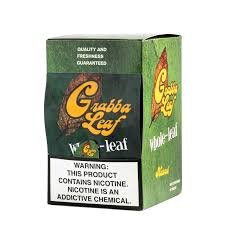
In recent years, the word “Grabba” has become part of a larger cultural conversation, particularly within the world of tobacco, music, and urban lifestyle. For many, the term refers to Grabba leaf, a dark, natural tobacco leaf that has become a preferred choice for rolling or mixing with other smoking products. But behind this single word lies a complex cultural phenomenon that extends far beyond its agricultural roots. Grabba has become a symbol of tradition, authenticity, and personal expression — a bridge between Caribbean heritage, North American urban culture, and global lifestyle trends. Understanding Grabba requires looking at its history, its uses, its symbolism in music and art, and the social questions it raises about health, identity, and cultural evolution. This article explores all of those layers, tracing how a simple leaf has turned into a worldwide cultural emblem.
1. What Is Grabba Leaf? Origins and Definition
At its core, Grabba refers to a tobacco leaf, specifically one that is dried, aged, and often cured in a natural environment. Unlike the refined, processed tobacco used in commercial cigarettes, Grabba comes in its raw and unrefined form, typically from the same types of plants used to make cigars. The name “Grabba” is most commonly associated with Jamaican and Caribbean smoking culture, where the leaf is used to create a stronger, richer smoking experience. It is typically broken down, toasted, or crumbled before being rolled with other substances.
The origins of Grabba leaf can be traced back to indigenous Caribbean and Central American practices, where tobacco was grown not for mass production but for ceremonial and communal use. Over time, this natural relationship with the leaf evolved into a deeply cultural ritual. The word “Grabba” itself is thought to derive from Jamaican Patois, where it loosely describes the act of “grabbing” a piece of leaf to mix into a roll. In that sense, Grabba represents more than a plant — it symbolizes an action, a connection, and a tradition passed through generations.
2. The Agricultural Journey: From Seed to Leaf
The life of a Grabba leaf begins long before it reaches a smoker’s hands. The process starts with carefully cultivated tobacco plants, often grown in tropical regions with rich soil and consistent humidity. The plants are harvested once the leaves mature and are then hung to air-cure or sun-cure for several weeks. This curing process is crucial, as it transforms the fresh green leaves into their characteristic brown or golden hues while allowing the natural sugars and oils to develop.
After curing, the leaves are fermented, a stage that enhances their flavor and aroma. During fermentation, the leaves are stacked in piles where natural heat and moisture trigger chemical reactions. The result is a leaf that is rich, earthy, and aromatic — the foundation of what smokers recognize as Grabba. The final product is typically thick and dark, with a distinctive, slightly sweet scent. Because the leaves are natural and unprocessed, no two batches are ever exactly the same. This variation is part of Grabba’s appeal; it offers a raw, organic smoking experience that contrasts with the uniformity of commercial tobacco products.
3. The Cultural Roots: Jamaica and Beyond
Grabba’s modern cultural identity is deeply intertwined with Jamaican and Caribbean life. In Jamaica, smoking has long been both a social and spiritual practice, tied to traditions that blend African, indigenous, and Rastafarian beliefs. Grabba is often mixed with ganja (marijuana), creating a powerful and flavorful blend that enhances the smoke’s strength and aroma. This mixture is not merely recreational — in many communities, it is part of storytelling sessions, music jams, and gatherings that reinforce cultural bonds.
Over time, the Caribbean diaspora brought this tradition to North America and Europe, where Grabba found a new audience. Immigrants introduced the leaf to urban centers like New York, Toronto, and London, where it quickly caught on among young people seeking authenticity in their lifestyle choices. Today, Grabba is sold in convenience stores, specialty smoke shops, and even online platforms across the world. Its rise from a local leaf to a global symbol mirrors the spread of reggae, dancehall, and hip-hop — all rooted in the Caribbean but embraced universally.
4. Grabba in Music and Pop Culture
Perhaps one of the strongest influences on Grabba’s popularity has been music, particularly reggae, dancehall, and hip-hop. In songs by artists such as Popcaan, Vybz Kartel, Skillibeng, and Alkaline, the term “Grabba” appears frequently, often symbolizing strength, authenticity, and indulgence. The phrase “hot Grabba” or “dark Grabba” describes a potent, flavorful leaf that enhances the smoking experience. This lyrical repetition has turned Grabba into more than a substance — it has become a cultural reference point and a lifestyle metaphor.
In the world of hip-hop, especially among artists influenced by Caribbean roots, Grabba is often associated with realness and street credibility. Rappers mention Grabba to highlight their connection to cultural origins and to distinguish their lifestyle from mainstream or commercialized trends. In this way, Grabba functions like a badge of authenticity — a statement that one’s lifestyle is rooted in organic, traditional, and self-made values.
The popularity of Grabba in music videos and lyrics has even influenced fashion and marketing. Clothing brands, rolling paper companies, and tobacco vendors now incorporate the term “Grabba” into product names and promotional slogans. Social media hashtags such as #HotGrabba, #RealLeaf, and #GrabbaLifestyle showcase not just products but also personal identity and style.
5. The Modern Grabba Market: Global Expansion
The global demand for Grabba has led to a thriving industry that spans multiple continents. Farmers in Jamaica, the Dominican Republic, Nicaragua, and the United States now cultivate and export natural tobacco leaves labeled as “Grabba.” While some companies maintain artisanal, small-scale operations, others have industrialized production to meet growing international demand.
This rise in popularity has also encouraged innovation. Consumers can now purchase Grabba in various forms — whole leaf, pre-cut blends, toasted flakes, and flavored varieties. Online marketplaces make it possible for users worldwide to access high-quality Grabba with ease. However, this commercialization raises new questions: How does industrial production affect the authenticity of a product once rooted in tradition? Is modern Grabba still a cultural artifact, or has it become just another commodity?
In many ways, Grabba’s global spread reflects the tension between cultural heritage and commercial adaptation. While it introduces Caribbean culture to new audiences, it also risks being detached from its original social and spiritual meaning
6. Preparation and Use: A Ritual, Not Just a Habit
For those who use Grabba, the process of preparing it is almost ritualistic. The leaf must be toasted lightly, often over a small flame or heated surface, to reduce moisture and enhance aroma. Once toasted, it becomes crisp and easy to crumble. Users then break or grind the leaf into small pieces and mix it with another substance, often to balance potency and taste. Some prefer a heavier ratio for a bold experience, while others use Grabba sparingly to add depth.
Beyond the physical act, the ritual represents intention and patience. In an age of instant gratification, Grabba preparation demands attention and time. This process connects the user with centuries-old traditions of craftsmanship and respect for the natural leaf. It transforms smoking from a mere act into a ceremony — a sensory and social experience rooted in rhythm, repetition, and mindfulness.
7. Symbolism and Identity
Grabba’s cultural symbolism extends far beyond smoking. To many, it represents naturalness, strength, and resilience. The leaf’s dark, rugged texture reflects endurance; its raw form symbolizes honesty and simplicity. Within Caribbean communities, Grabba often carries connotations of authentic living — staying true to one’s roots and embracing natural elements over synthetic alternatives.
In urban contexts, Grabba has taken on an almost rebellious symbolism. It stands for independence, self-expression, and a refusal to conform to mass-produced norms. For youth, especially within diaspora cultures, it becomes a subtle act of identity affirmation — a way to maintain cultural links while navigating modern life. This duality — part tradition, part rebellion — makes Grabba both ancient and contemporary, a product of continuity and change.
8. Health and Ethical Considerations
Like any tobacco product, Grabba carries significant health risks. Because it is often used in its raw form, it contains high levels of nicotine and tar, which can lead to respiratory and cardiovascular issues with prolonged use. The natural label can sometimes be misleading; while Grabba is less processed, it is not necessarily safer.
Health professionals warn that the high nicotine concentration can lead to dependence, especially when mixed with other substances. Public health campaigns emphasize the importance of informed use, moderation, and awareness of long-term risks. Some cultural advocates argue for a harm reduction approach, acknowledging that while Grabba use is part of heritage, education and safe practices must accompany its cultural preservation.
Ethically, the Grabba industry also faces questions regarding fair trade and sustainability. As global demand grows, small farmers risk exploitation, and environmental pressures increase due to deforestation and overharvesting. Responsible sourcing, transparent supply chains, and eco-conscious farming methods are essential to ensure that Grabba’s legacy remains respectful to both people and planet
9. Grabba in the Age of Social Media
Social media has amplified Grabba’s global visibility. Platforms like Instagram, TikTok, and YouTube feature influencers demonstrating how to toast and roll Grabba, review different brands, or share cultural insights. This has helped demystify the product for newcomers while simultaneously turning it into a trend.
However, digital exposure also creates challenges. The glamorization of smoking can attract younger audiences who may not understand the health implications. Platforms often walk a fine line between cultural appreciation and irresponsible promotion. Despite these concerns, social media has also served as a platform for education — creators use their content to teach proper preparation techniques, responsible use, and respect for the leaf’s cultural roots.
10. The Future of Grabba: Tradition Meets Innovation
As global markets evolve, Grabba stands at a crossroads. On one hand, it remains a deeply traditional, artisanal product tied to centuries-old practices. On the other, it is being reshaped by innovation — flavored leaves, pre-mixed blends, and even non-tobacco alternatives made to mimic the Grabba experience.
Some predict that Grabba may follow the trajectory of cigars and hookahs, becoming a luxury lifestyle item associated with craftsmanship and leisure. Others hope that the future of Grabba will emphasize cultural preservation, ensuring that its heritage remains intact even as the world changes. Regardless of direction, the leaf’s story continues to evolve — symbolizing resilience, identity, and the unbreakable bond between tradition and transformation.
Frequently Asked Questions (FAQ)
Q1. What exactly is Grabba?
Grabba is a natural tobacco leaf, typically dried, cured, and fermented. It is used for rolling or blending with other smoking substances and is especially popular in Caribbean culture.
Q2. Is Grabba safer than commercial tobacco?
No. Although Grabba is natural and unprocessed, it still contains nicotine and other substances that can be harmful when inhaled. “Natural” does not mean risk-free.
Q3. Why is Grabba so popular in Jamaican culture?
Grabba is deeply rooted in Jamaican and Caribbean traditions. It’s valued for its strong flavor, natural preparation process, and its role in communal and musical culture.
Q4. What does “hot Grabba” mean?
“Hot Grabba” refers to a toasted or potent leaf with strong flavor and aroma. In music, it’s often used metaphorically to describe intensity or authenticity.
Q5. Can Grabba be flavored or customized?
Yes. Some companies now offer flavored Grabba or blends mixed with other herbs. However, purists often prefer unflavored, natural leaves for their authenticity.
Q6. Is Grabba legal?
Grabba, being a form of tobacco, is legal in most regions but regulated under local tobacco laws. Users should check age restrictions and import/export regulations.
Q7. How do you prepare Grabba properly?
The most common method involves toasting the leaf to dry it slightly, then crumbling or shredding it before mixing it with another substance. The preparation is as much art as technique.
Conclusion
The story of Grabba is one of transformation — from a simple tobacco leaf to a global symbol of culture, identity, and authenticity. Rooted in Caribbean tradition yet adapted by modern urban life, Grabba bridges worlds and generations. It embodies a respect for natural materials, a commitment to craftsmanship, and a celebration of individuality.
At the same time, Grabba’s journey raises vital questions about health, sustainability, and commercialization. Can a product remain true to its heritage in a world driven by mass production? Can users appreciate its cultural significance while acknowledging its risks? The answers lie not in the leaf itself but in how society chooses to engage with it — with awareness, respect, and balance.
Ultimately, Grabba is more than what it appears to be. It’s a story of roots and evolution, of people and passion, of smoke and symbolism. Whether one approaches it as a tradition, a ritual, or a lifestyle statement, Grabba reminds us that even the smallest leaf can carry the weight of a culture — and the fire of its history.