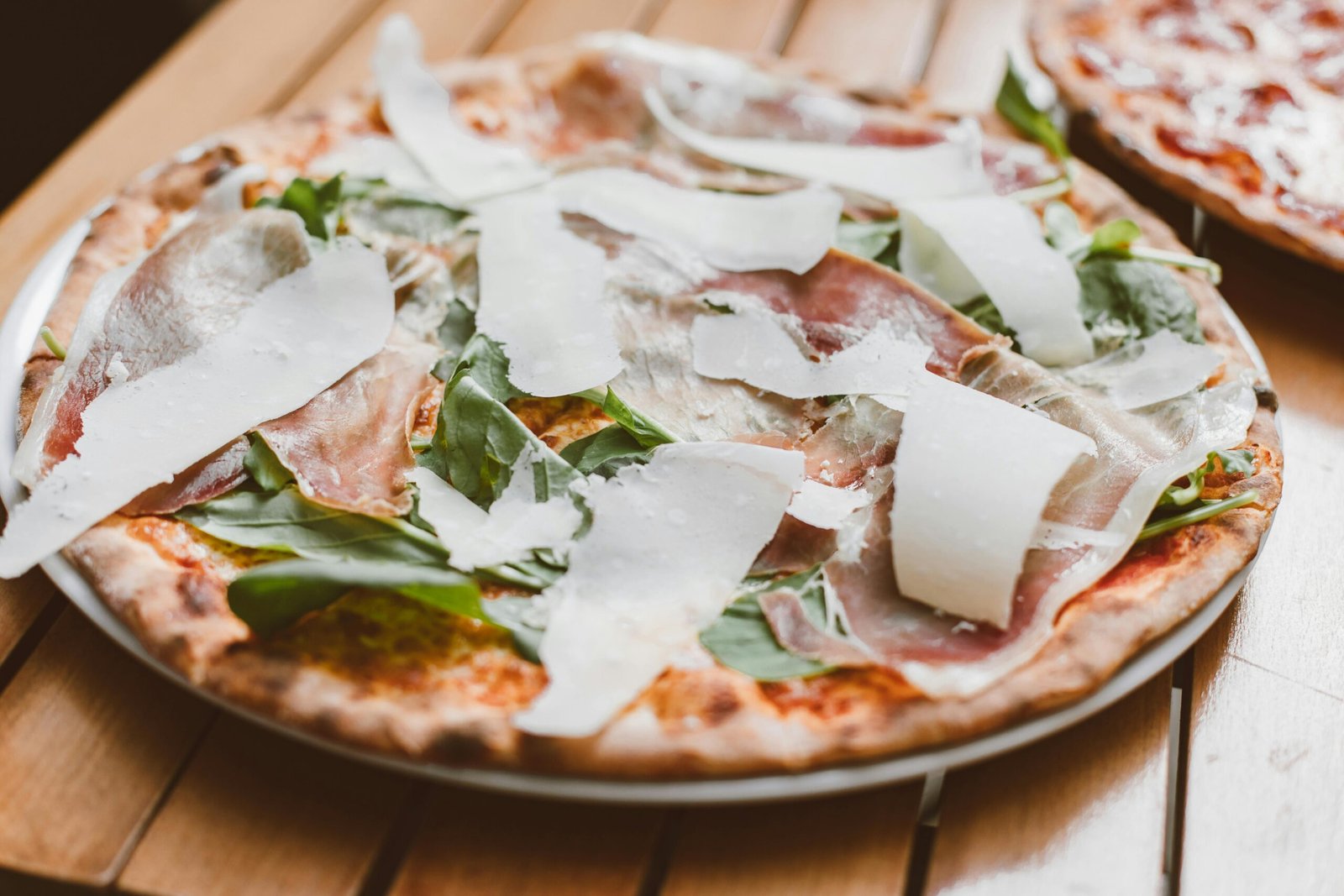
If you love cheese, there’s a good chance you’ve heard the name Grana Padano. But what exactly is it? How is it different from Parmigiano Reggiano, and why do chefs all over the world adore it?
Grana Padano is more than just a cheese — it’s a piece of Italian heritage that has stood the test of time for nearly 1,000 years. Originating from the fertile Po River Valley in northern Italy, this cheese embodies the essence of Italian craftsmanship. I first tasted Grana Padano on a trip to Milan, sprinkled over a plate of risotto alla Milanese, and I was hooked instantly. The subtle nutty flavor, the crumbly texture, and that irresistible aroma — it was pure culinary magic.
In this article, we’ll explore the origins, production, taste, uses, and health benefits of Grana Padano, along with practical buying tips and cooking inspiration. Whether you’re a foodie, a home cook, or someone just curious about Italian cuisine, this deep dive will make you appreciate this incredible cheese even more.
1. What Is Grana Padano?
Grana Padano is a hard, slow-ripened cheese made from cow’s milk. It’s produced in Northern Italy, primarily in the regions of Lombardy, Veneto, Emilia-Romagna, Trentino, and Piedmont. The word “Grana” means “grainy” — a perfect description of its crumbly texture — while “Padano” refers to the Po River Valley (Pianura Padana), where the cheese originated.
Grana Padano is one of Italy’s most popular and exported cheeses, loved for its versatility and rich, savory taste. Whether shaved over pasta, grated into soups, or eaten in chunks with wine, it adds depth to every bite.
2. The History and Origin
The story of Grana Padano goes back to the 12th century when Benedictine monks in the Po Valley began searching for ways to preserve surplus milk. They developed a technique of heating, curdling, and aging the milk to create a hard cheese that could last for months.
This cheese became known as “caseus vetus,” meaning “old cheese.” Over time, locals called it “Grana” because of its grainy texture. Eventually, it was named Grana Padano, marking both its style and its origin.
Unlike many other cheeses, Grana Padano maintained its authenticity across centuries. Despite industrialization, many small producers still follow the traditional process, preserving the rich heritage that defines Italian cheesemaking.
3. The Protected Designation of Origin (PDO)
In 1996, Grana Padano earned the Protected Designation of Origin (PDO) status from the European Union. This means only cheese made in specific regions of Northern Italy, following traditional methods, can legally be called “Grana Padano.”
This PDO certification ensures authenticity, quality, and traceability. Each wheel is carefully inspected before receiving the official fire-brand seal — a mark of excellence recognized worldwide.
So when you see a wheel or package stamped “Grana Padano PDO,” you know it’s the real deal — made with Italian passion and centuries of craftsmanship.
4. How Grana Padano Is Made
The production of Grana Padano is a fascinating blend of art and science. It all starts with partially skimmed raw cow’s milk, collected from local farms. The milk is poured into large copper vats and gently heated.
Natural whey and calf rennet are added to coagulate the milk, forming curds. The curds are then broken into tiny grains and cooked until they reach the perfect consistency. After that, they’re pressed into molds, marked with identification codes, and soaked in brine for up to 20 days.
Finally, the cheeses are transferred to aging rooms, where they rest on wooden shelves for at least 9 months — and sometimes up to 24 or even 30 months. During this time, each wheel is turned and cleaned regularly to develop its iconic flavor and texture.
5. Aging and Texture
Aging is what gives Grana Padano its distinctive character.
-
Young (9–12 months): Mild, creamy, and slightly sweet. Perfect for cooking.
-
Medium (16–20 months): More crumbly, with a nutty aroma and complex flavor.
-
Aged (over 24 months): Intense, savory, and aromatic, ideal for grating or eating in small bites.
When you cut into a wheel of aged Grana Padano, you’ll notice the tiny white crystals that form naturally — a sign of maturity and quality.
6. Grana Padano vs Parmigiano Reggiano
People often confuse Grana Padano with Parmigiano Reggiano — and to be fair, they look quite similar. Both are hard Italian cheeses made from cow’s milk and aged for months.
However, there are key differences:
-
Region: Grana Padano is made across a larger area, while Parmigiano is limited to Parma, Reggio Emilia, Modena, and Bologna.
-
Milk: Grana Padano uses partially skimmed milk; Parmigiano uses full-fat morning and evening milk mix.
-
Aging: Grana Padano ages 9–20 months, Parmigiano usually 24–36.
-
Flavor: Grana Padano is milder and smoother; Parmigiano is sharper and saltier.
In my kitchen, I use Grana Padano when I want a balanced flavor — especially in pasta dishes, soups, and salads. Parmigiano is great for stronger, saltier finishes.
7. Flavor Profile and Tasting Notes
Grana Padano has a delicate balance of sweet, nutty, and savory flavors. The aroma is rich and buttery, while the texture is firm yet crumbly. When you take a bite, it melts gently on your tongue, releasing a slightly fruity aftertaste.
Pair it with a glass of Chianti or Pinot Grigio, some ripe figs, or drizzle a little honey over it — pure heaven.
8. Culinary Uses and Pairings
Grana Padano is incredibly versatile. Here are some popular ways to enjoy it:
-
Grated over pasta: Adds depth to spaghetti, risotto, or lasagna.
-
Shaved on salads: Brings umami to Caesar or rocket salads.
-
Melted into sauces: Enhances creamy sauces for meat or veggies.
-
Served with wine: Perfect on an antipasto board with olives, cured meats, and grapes.
-
Baked dishes: Sprinkle over gratins or roasted potatoes for a golden crust.
When I host dinner parties, I often serve a cheese board featuring Grana Padano, grapes, walnuts, and prosciutto — it never fails to impress.
9. Nutritional Value and Health Benefits
Grana Padano isn’t just delicious; it’s nutritious too. A small serving packs high-quality protein, calcium, phosphorus, and essential vitamins.
Nutritional Highlights (per 30g serving):
-
Calories: ~120
-
Protein: 10g
-
Fat: 8g
-
Calcium: 330mg
-
Lactose: <0.1g (virtually lactose-free)
It’s suitable for people with mild lactose intolerance and helps strengthen bones, muscles, and teeth. Moderation is key, of course, as it’s calorie-dense — but a sprinkle goes a long way.
10. How to Store and Serve Grana Padano
Always store Grana Padano in the refrigerator, wrapped in parchment or wax paper, then sealed in a container to prevent drying. Avoid plastic wrap directly on the cheese, as it can trap moisture.
When serving, bring it to room temperature for at least 30 minutes — this enhances its flavor and aroma.
11. Buying Tips: How to Choose Authentic Grana Padano
When buying Grana Padano, look for:
-
PDO label on the rind or packaging
-
Fire-branded “Grana Padano” logo
-
Origin mark indicating it was made in Italy
If you’re shopping online or abroad, trusted brands like Zanetti, Agriform, and Auricchio offer authentic wheels and wedges.
12. Cooking with Grana Padano: Recipe Ideas
-
Risotto alla Milanese – A Northern Italian classic with saffron and Grana Padano.
-
Grana Padano and Spinach Soufflé – Light, fluffy, and full of flavor.
-
Cheese Crisps – Bake grated Grana Padano into crunchy wafers for snacks.
-
Baked Chicken with Grana Padano Crust – Crispy outside, tender inside.
13. My Personal Experience
I first started using Grana Padano when learning Italian cooking at home. It became my go-to cheese because it’s easier on the wallet than Parmigiano but just as flavorful. I love grating it over roasted vegetables or stirring it into soups for that subtle depth.
The more I used it, the more I realized how it elevates even simple dishes. It’s not just cheese — it’s a reminder of Italian passion for good food.
14. Sustainability and Ethics
Many Grana Padano producers today follow sustainable practices. They use local milk, reduce waste, and support small dairy farms. The Grana Padano Consortium also enforces strict rules about animal welfare and traceability.
When you choose authentic Grana Padano, you’re supporting a centuries-old system that values tradition, community, and quality over mass production.
15. Conclusion
Grana Padano is more than a cheese — it’s a symbol of Italian tradition, patience, and craftsmanship. From humble monasteries in the 12th century to fine dining tables today, it continues to impress with its flavor, versatility, and authenticity.
Whether you enjoy it grated, shaved, or in chunks, Grana Padano adds a touch of Italian soul to your meal. So next time you’re at the store, pick up a wedge and experience this legendary cheese for yourself.
Frequently Asked Questions (FAQs)
Q1: Is Grana Padano the same as Parmesan?
No. While similar, Grana Padano is milder and produced across a wider region. Parmesan (Parmigiano Reggiano) is sharper and aged longer.
Q2: Can people with lactose intolerance eat Grana Padano?
Yes. It’s naturally low in lactose and often well-tolerated.
Q3: How should I store Grana Padano?
Wrap it in paper and refrigerate. Avoid direct contact with plastic wrap.
Q4: What wines go best with Grana Padano?
Try medium-bodied reds like Chianti or crisp whites like Pinot Grigio.
Q5: Can I cook with Grana Padano?
Absolutely. It melts beautifully into sauces, risottos, and soups.